Can a B2B manufacturer build a brand that customers choose for more than just price?
It’s a question I’ve been thinking about a lot over the past few months.
Working in the packaging industry, I’ve realised that marketing in B2B manufacturing is fundamentally different from many consumer-facing industries. We don’t sell products that customers browse on a supermarket shelf, and we certainly don’t compete through flashy advertising campaigns. More often than not, customers compare suppliers based on quality, service, relationships—and unfortunately, sometimes even a difference of just a few paise.
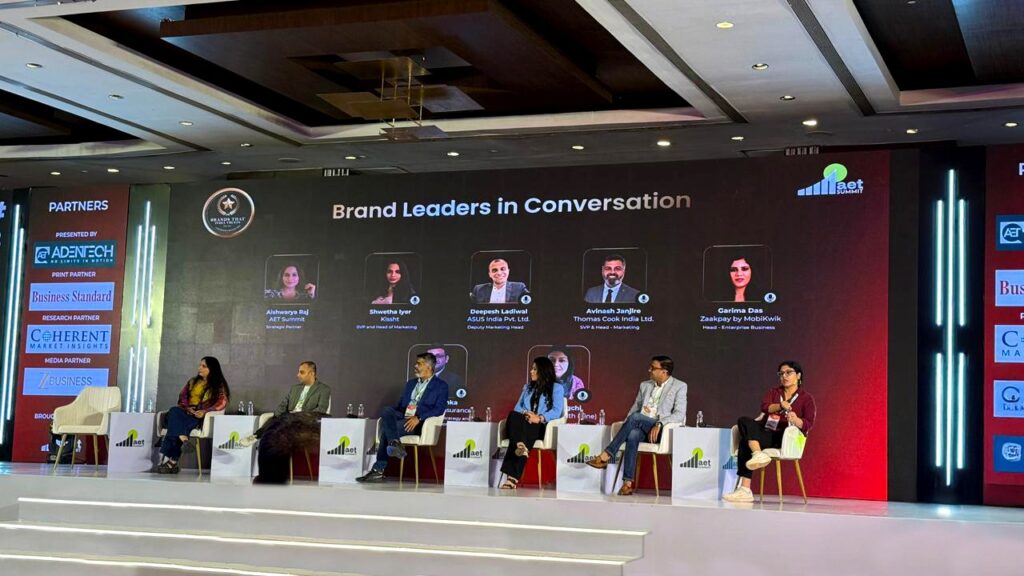
As someone currently building the marketing function at AVI Global Plast, this challenge has become one of the most interesting parts of my role. So when I attended the Brands That India Trusts Summit 2026 in Mumbai, I wasn’t looking for the latest marketing trend or another AI presentation. I wanted to understand how experienced brand leaders think about trust, differentiation, and long-term brand building—and whether those lessons could be applied to B2B manufacturing.
Interestingly, by the end of the event, I realised that although the speakers represented industries as diverse as insurance, fintech, media, travel, healthcare, and consumer brands, many of the principles they discussed were surprisingly relevant to the challenges we face in industrial marketing.
Trust Is Built Across Every Customer Touchpoint
One idea kept resurfacing throughout the day: brands don’t earn trust through a single campaign. They earn it through consistency.
That sounds simple, but it completely changes the way we think about marketing. In manufacturing, trust doesn’t begin when someone sees a LinkedIn post or visits a website. It begins when they make their first enquiry. It grows through timely responses from the sales team, accurate production timelines, consistent product quality, transparent communication, reliable deliveries, and responsive after-sales support. Every department contributes to the customer’s perception of the brand.
As marketers, we often think about messaging, positioning, and content. The event reminded me that these are only one part of the equation. Marketing creates expectations. The business fulfils them. When every customer interaction reflects the same level of professionalism and consistency, trust begins to compound over time.
The Real Opportunity Is Creating Value Beyond the Product
One of the most valuable conversations I had after the panel discussions was around a challenge I face regularly.
I explained that in our domestic market, customers often compare suppliers based on extremely small price differences. If one supplier quotes ₹4.23 and another quotes ₹4.25, procurement decisions can sometimes be influenced by those few paise. It raises a difficult question for any marketer: how do you build preference in a market where products are often treated as commodities?
The advice I received was both simple and powerful.
Instead of asking how to make the product appear different, ask what additional value the brand can create around the product.
That completely changed my perspective.
Perhaps differentiation doesn’t always come from changing the product itself. Perhaps it comes from becoming a better partner. Sharing industry knowledge, educating customers, providing technical expertise, helping them understand market trends, or creating better customer experiences may ultimately become stronger competitive advantages than trying to compete purely on price.
Products can often be copied.
Relationships rarely can.
Customer Experience Is One of Marketing’s Strongest Assets
Another recurring theme throughout the summit was customer experience.
Traditionally, customer experience is often associated with service teams or operations. However, several speakers emphasised that customers don’t experience departments—they experience one brand.
That observation stayed with me.
Every email, every production update, every delivery, every service interaction, and every problem resolved contributes to how customers remember an organisation. For B2B companies, customer experience isn’t something that happens after marketing. It is marketing.
It also made me reflect on something we can continue strengthening in manufacturing businesses. Building stronger alignment between marketing, sales, production, and customer support creates a far more consistent customer journey than any campaign ever could.
Communities Build Stronger Brands Than Campaigns
Perhaps the most interesting idea discussed during my conversations with the panelists was creating value beyond transactions.
Rather than viewing customers only as buyers, why not create opportunities for them to engage with the company in different ways?
- Client meet-and-greets.
- Knowledge-sharing sessions.
- Industry roundtables.
- Packaging innovation workshops.
- Plant visits.
- Thought leadership events.
These aren’t simply marketing activities. They create conversations, strengthen relationships, and position the company as a trusted industry partner rather than another supplier competing for orders.
For B2B organisations, that shift from supplier to trusted advisor can make a significant difference over time.
Sometimes the Best Marketing Lessons Come From Other Industries
One conversation that particularly stood out to me was with a customer experience leader from the insurance industry.
On the surface, insurance and packaging appear to have very little in common.
But as we discussed customer trust, I realised they face remarkably similar challenges.
Neither industry succeeds purely because of advertising. Both rely heavily on credibility, consistency, relationships, and delivering on promises over time. Customers ultimately choose organisations they believe will perform when it matters most.
It reminded me that some of the best ideas don’t always come from companies within your own industry. Looking outside your category often reveals principles that can be adapted in surprisingly effective ways.
My Biggest Takeaway Wasn’t About Marketing
Ironically, the lesson that stayed with me the most wasn’t about branding or campaigns.
It was about careers.
Looking around the room, I realised that many of the people sharing their experiences had spent fifteen or twenty years building their expertise before becoming Heads of Marketing, Directors, CEOs, or business leaders.
As someone who became a first-time marketing leader within four years, that perspective was incredibly grounding.
Like many young professionals, it’s easy to focus on titles and the next promotion. The summit reminded me that great marketers aren’t defined by how quickly they become leaders. They’re defined by how consistently they learn, adapt, solve problems, and continue improving over time.
That may have been the most valuable lesson I brought home.
Final Thoughts
I attended Brands That India Trusts 2026 expecting to learn about branding.
Instead, I came away thinking much more deeply about trust.
Whether you’re marketing insurance, technology, travel, healthcare, or industrial packaging, the underlying principle remains remarkably consistent: customers don’t stay because a brand is visible—they stay because every interaction reinforces confidence.
For B2B companies, that confidence is built through consistent experiences, meaningful relationships, customer education, and creating value beyond the product itself.
As I continue building the marketing function at AVI Global Plast, these are ideas I hope to keep exploring—not just through campaigns, but by helping create a customer experience that people genuinely trust.
After all, the strongest brands are rarely remembered for what they say.
They’re remembered for what they consistently deliver.
Frequently Asked Questions
How can B2B companies build customer trust?
B2B companies build trust by delivering consistent customer experiences, maintaining product quality, communicating transparently, sharing industry expertise, and creating long-term relationships that go beyond transactions.
Why is customer experience important in B2B marketing?
Customer experience influences repeat business, referrals, and long-term loyalty. Every interaction—from enquiry to delivery and after-sales support—contributes to how customers perceive a brand.
How can manufacturers compete beyond price?
Manufacturers can differentiate by offering value-added services such as technical expertise, educational content, industry insights, customer events, and stronger partnerships rather than competing solely on price.
What did I learn from Brands That India Trusts 2026?
The biggest takeaway was that trust is created through consistency, customer experience, and value beyond the product. These principles apply equally to B2C brands and B2B manufacturing businesses.
